Quiet Places in Amsterdam
Four June days in Amsterdam, mostly on foot, following the quieter fabric between the famous coordinates: Prinsengracht, the Jordaan, Rozengracht, Oud-West, De Pijp, Vondelpark, and Museumplein. I arrived expecting the obvious postcard city and kept being pulled instead toward smaller signs of use: a graduation bag tied to a flagpole, a flower-covered bicycle, the smell of warm stroopwafels, a mosque inside a former church, and the way the canal houses lean just enough to make the geometry feel alive. Amsterdam is photographed endlessly, but at walking pace it still has a way of becoming personal: not a checklist of landmarks, more a sequence of street-level recognitions.
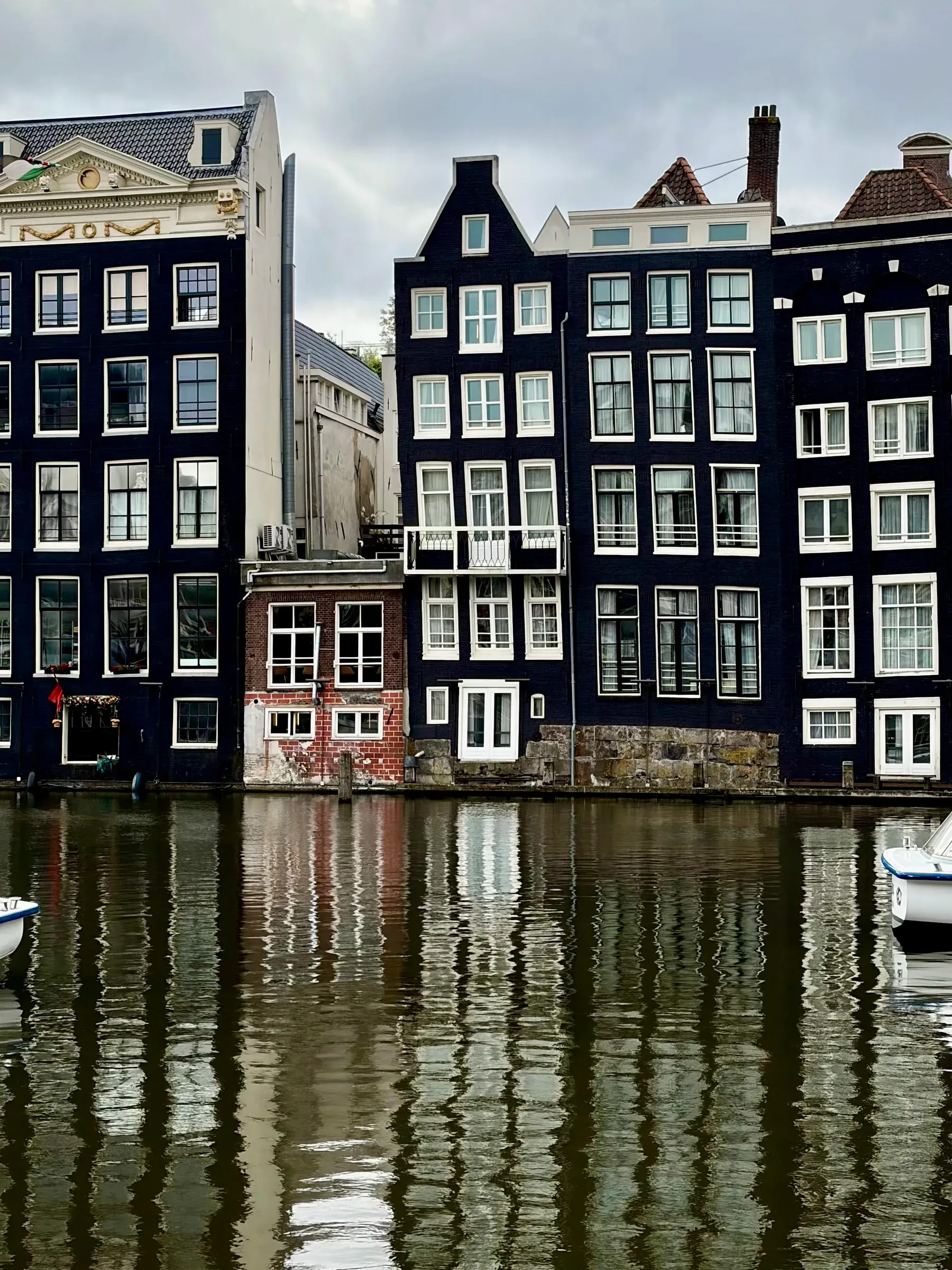
The Damrak
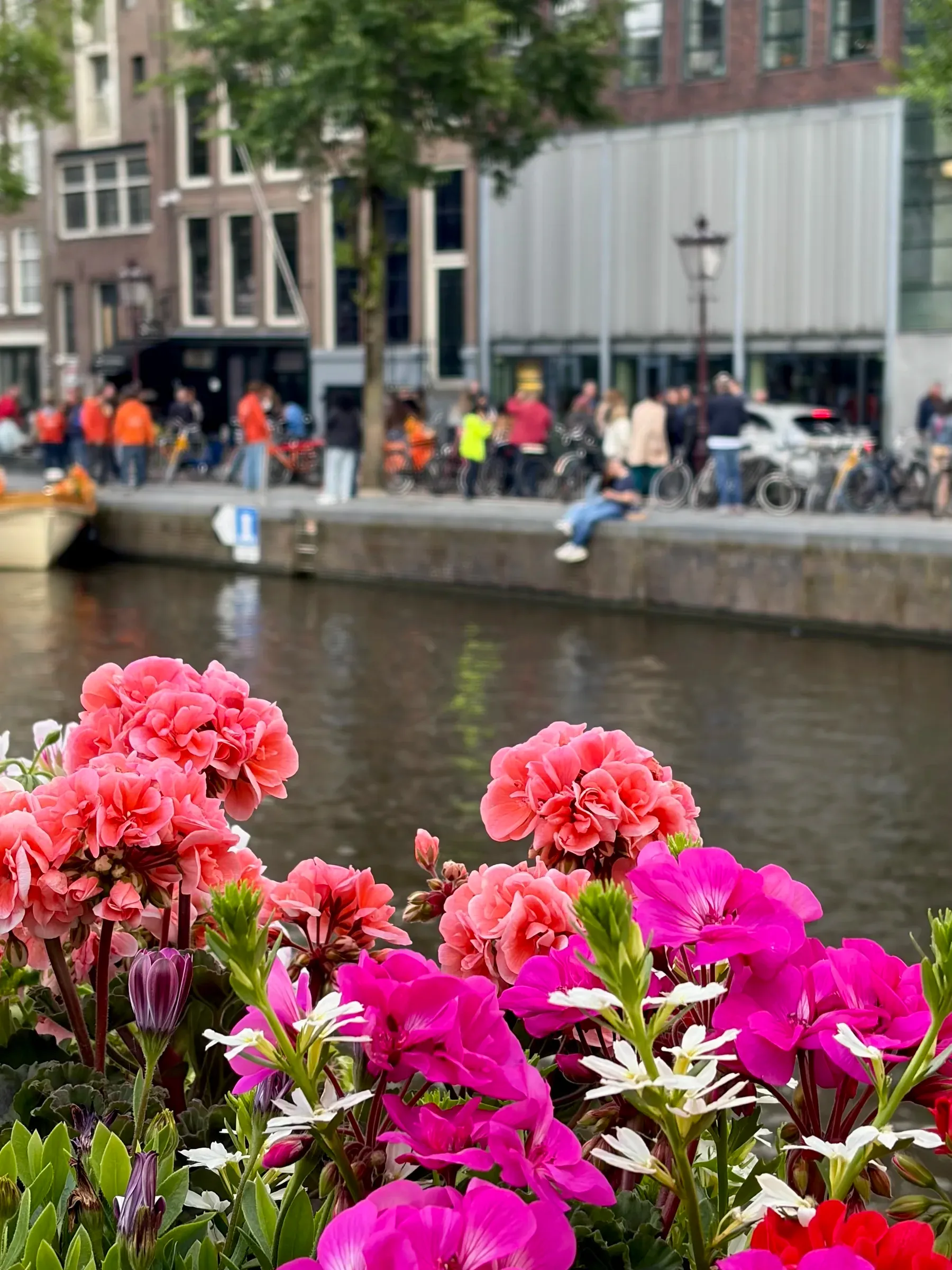
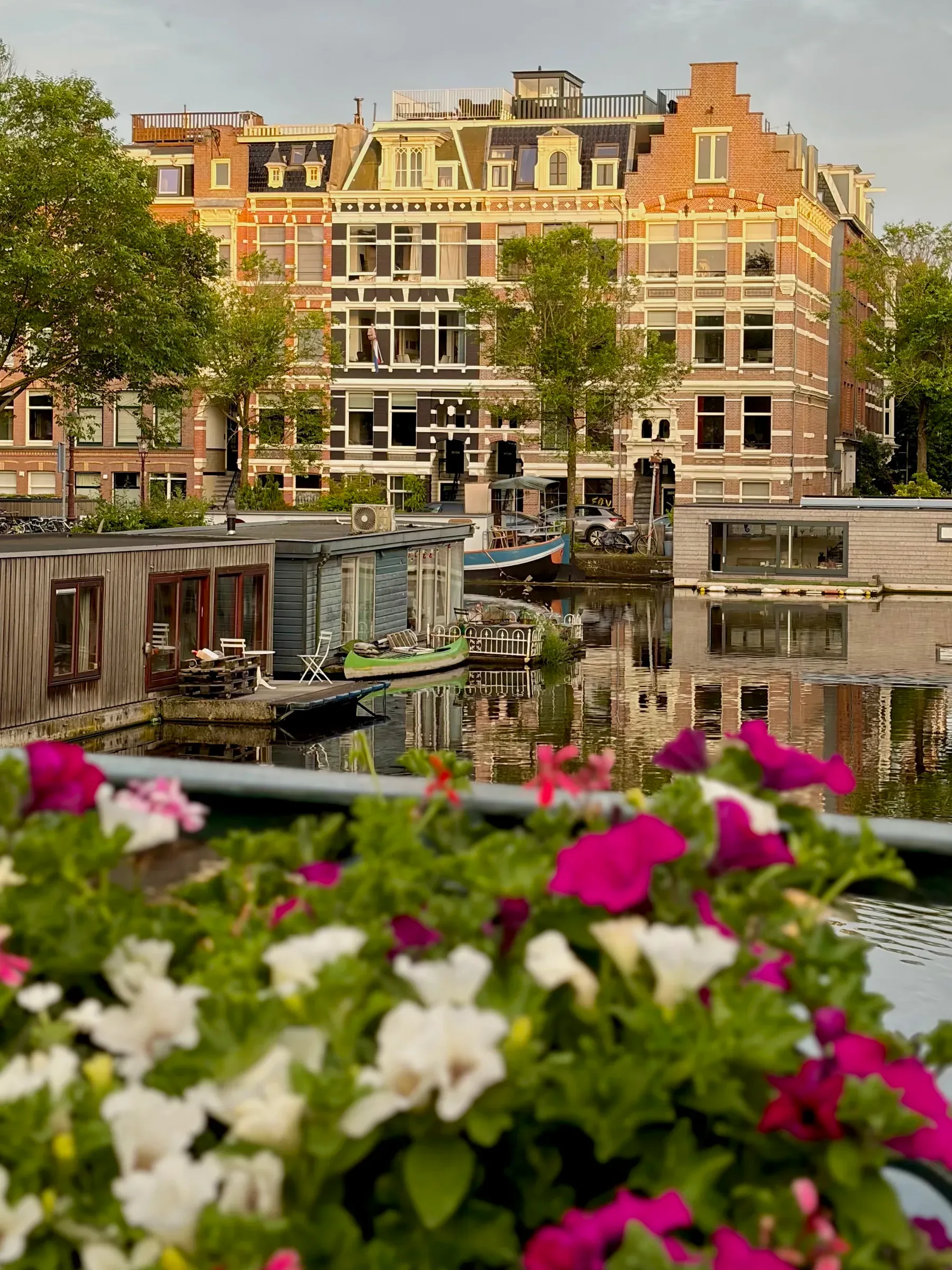
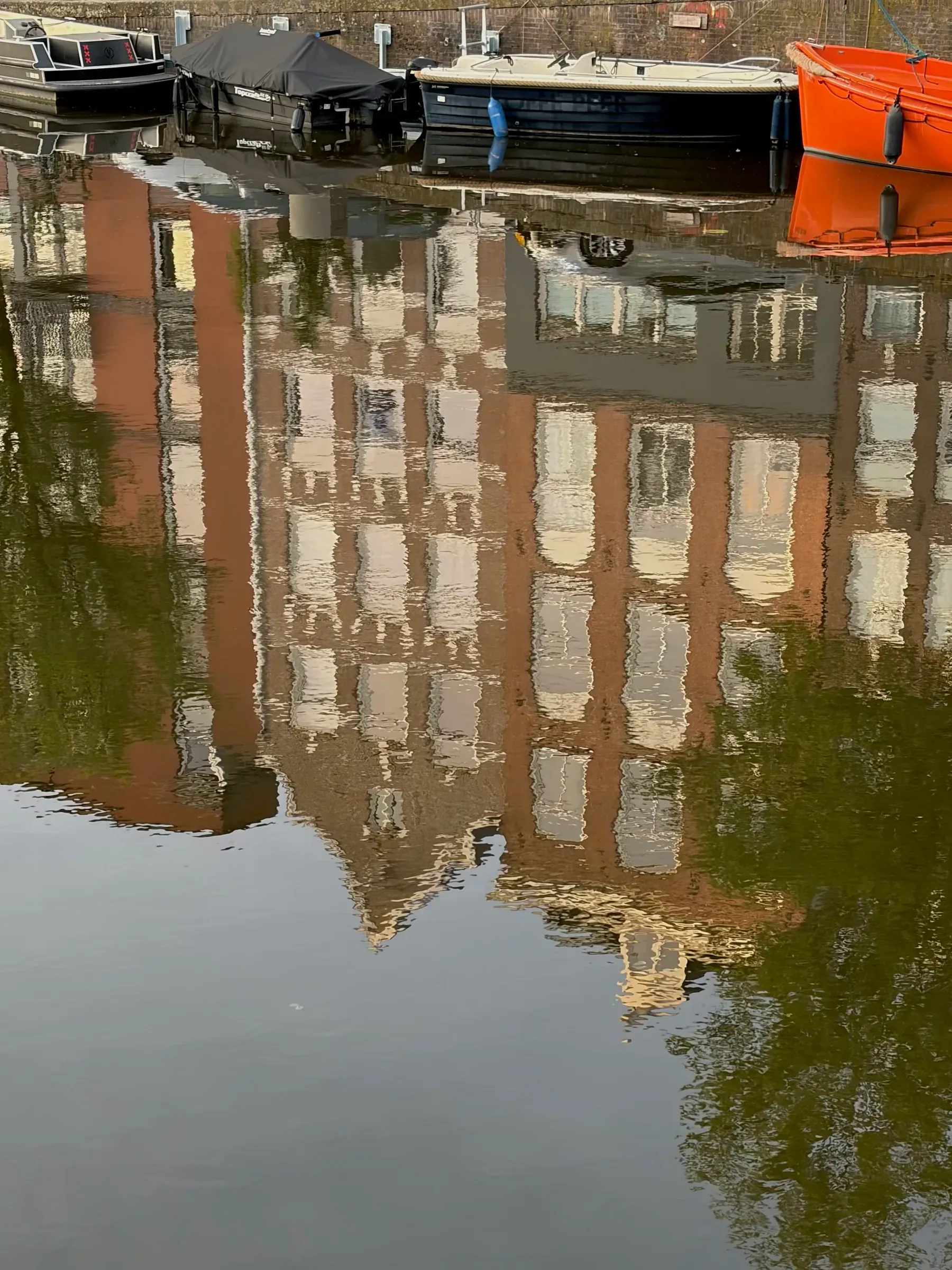
I actually saw this on my last day, close to Centraal Station, with the trip almost over and the Damrak already feeling like the way out. The weather was grey, the kind of flat northern light that removes drama instead of adding it, but the place was still undeniably beautiful. Station crowds, hotel facades, tour boats, and old merchant houses all press into the same narrow strip, then the water slows everything down. The buildings lean just enough to feel alive, and their reflections soften the hard geometry into something more forgiving. It felt like a quiet final look at Amsterdam: not ideal weather, not a hidden corner, just the city making a strong impression anyway.
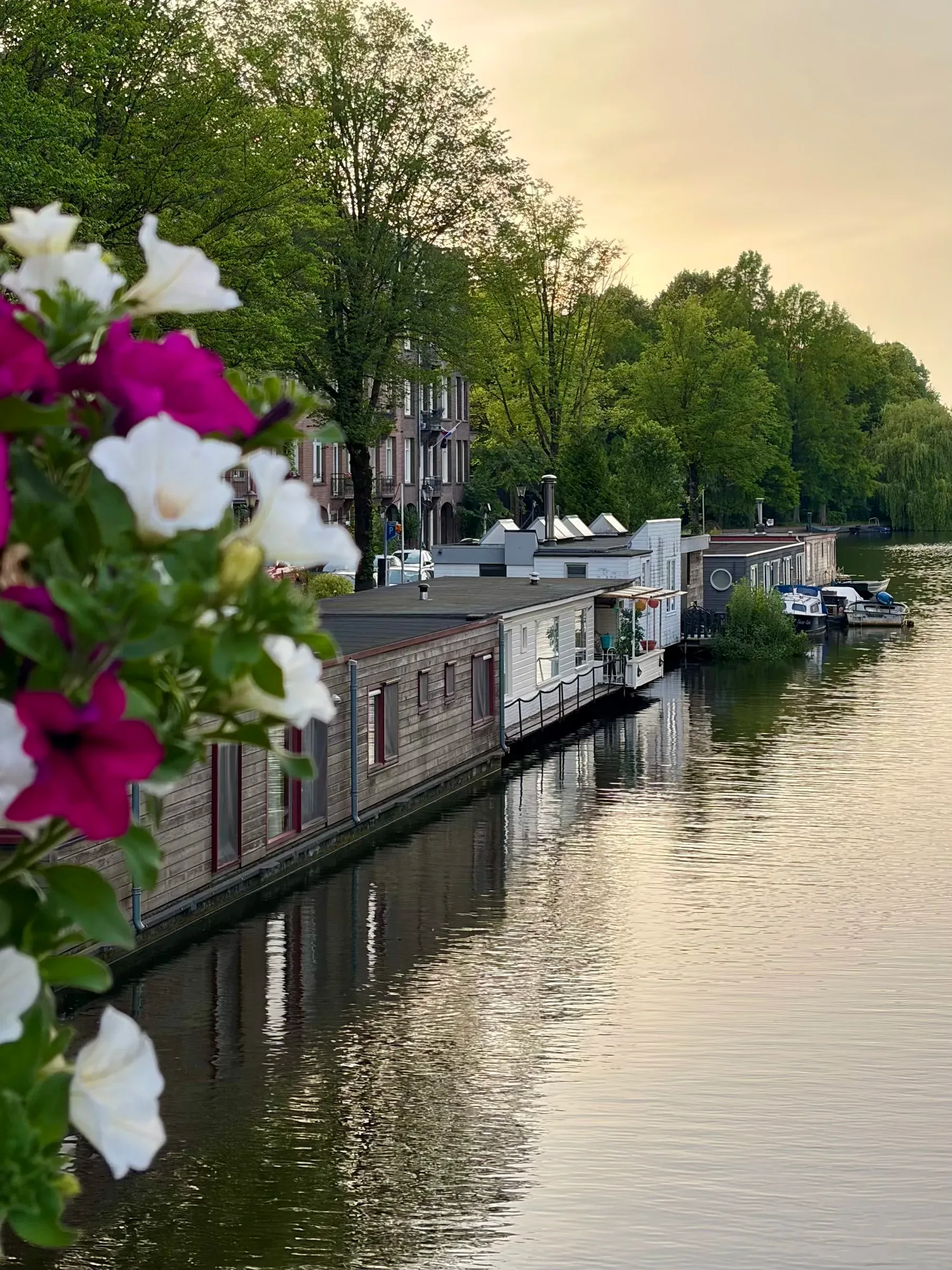
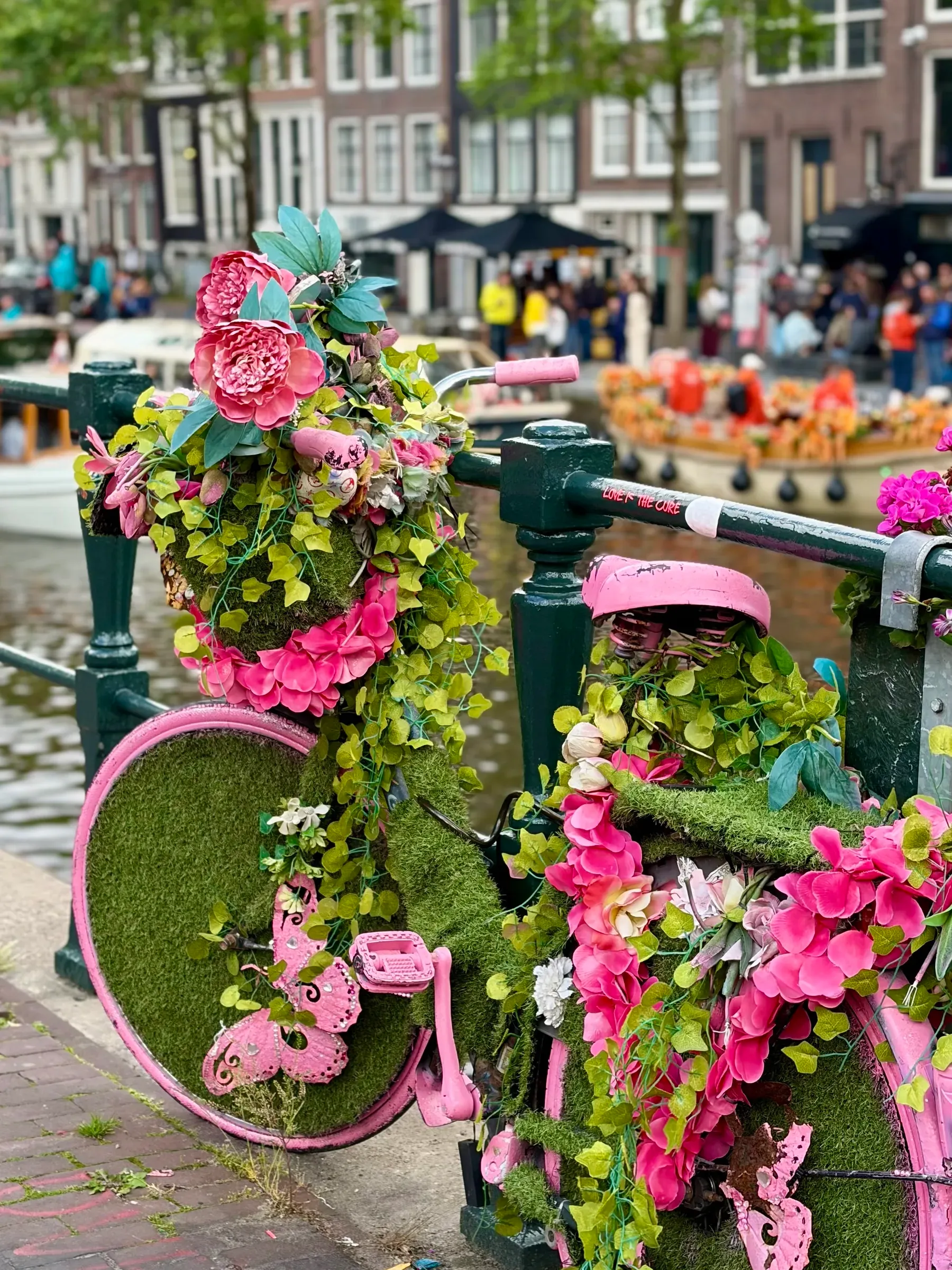
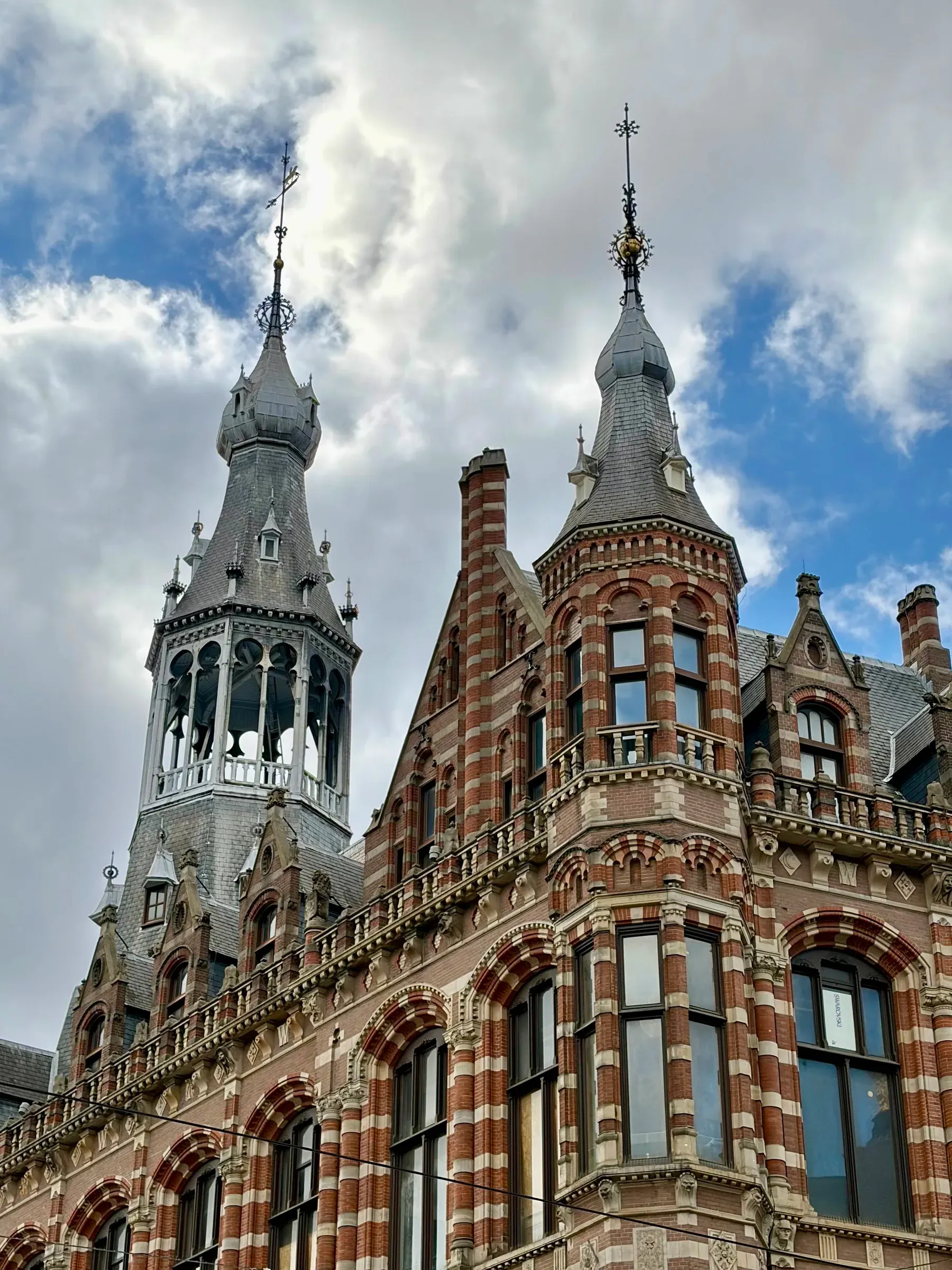
Jordaan
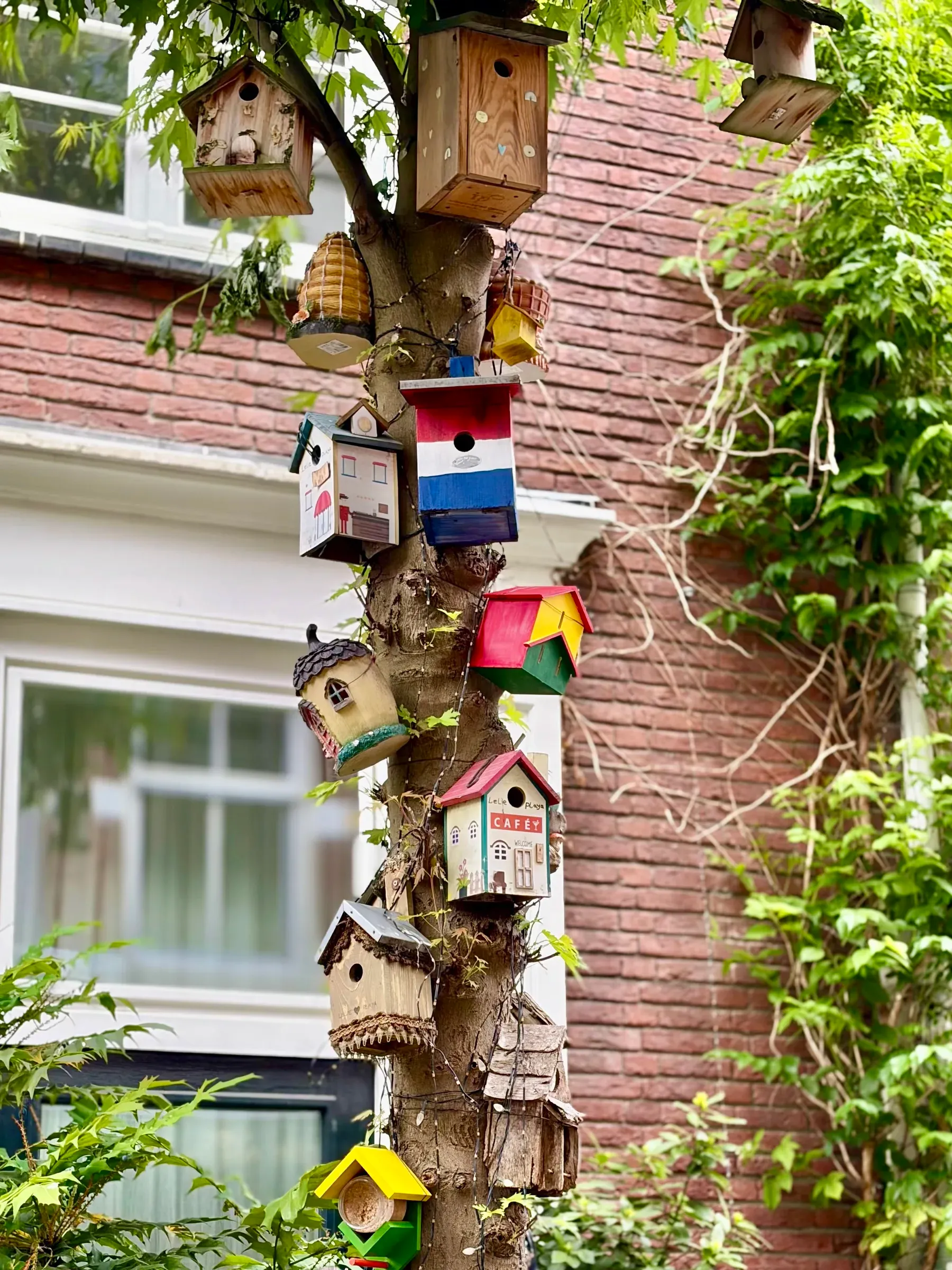
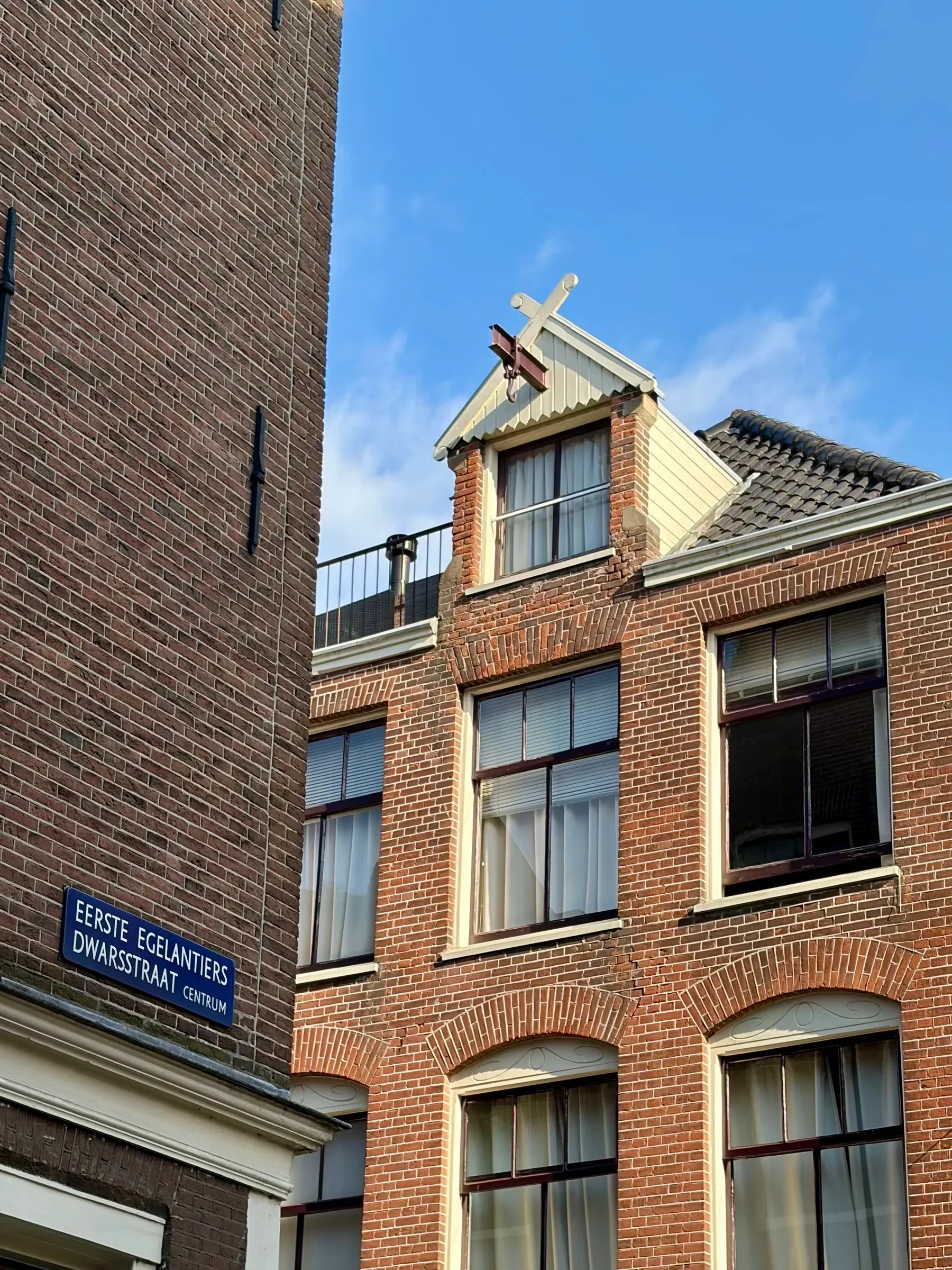
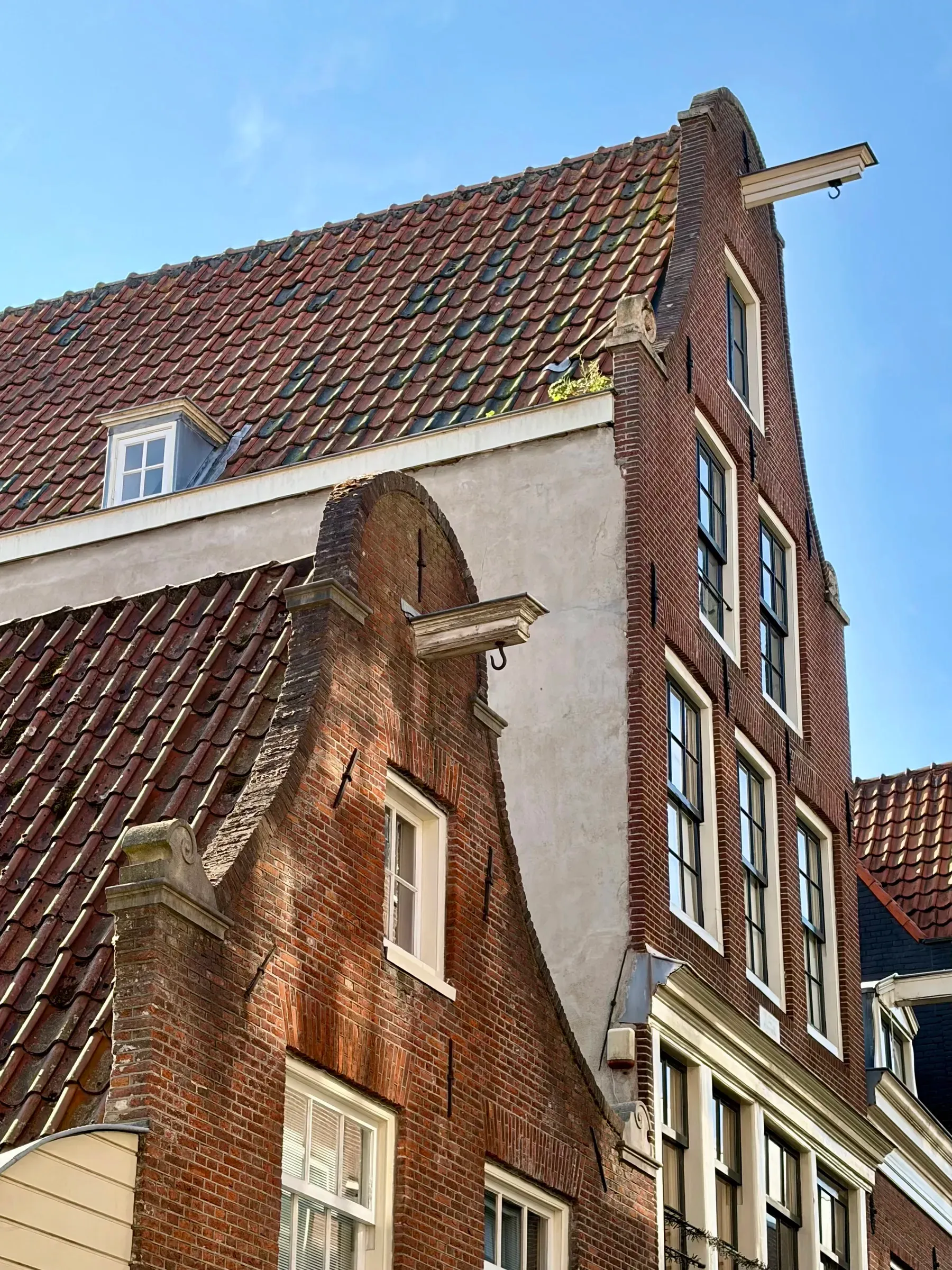
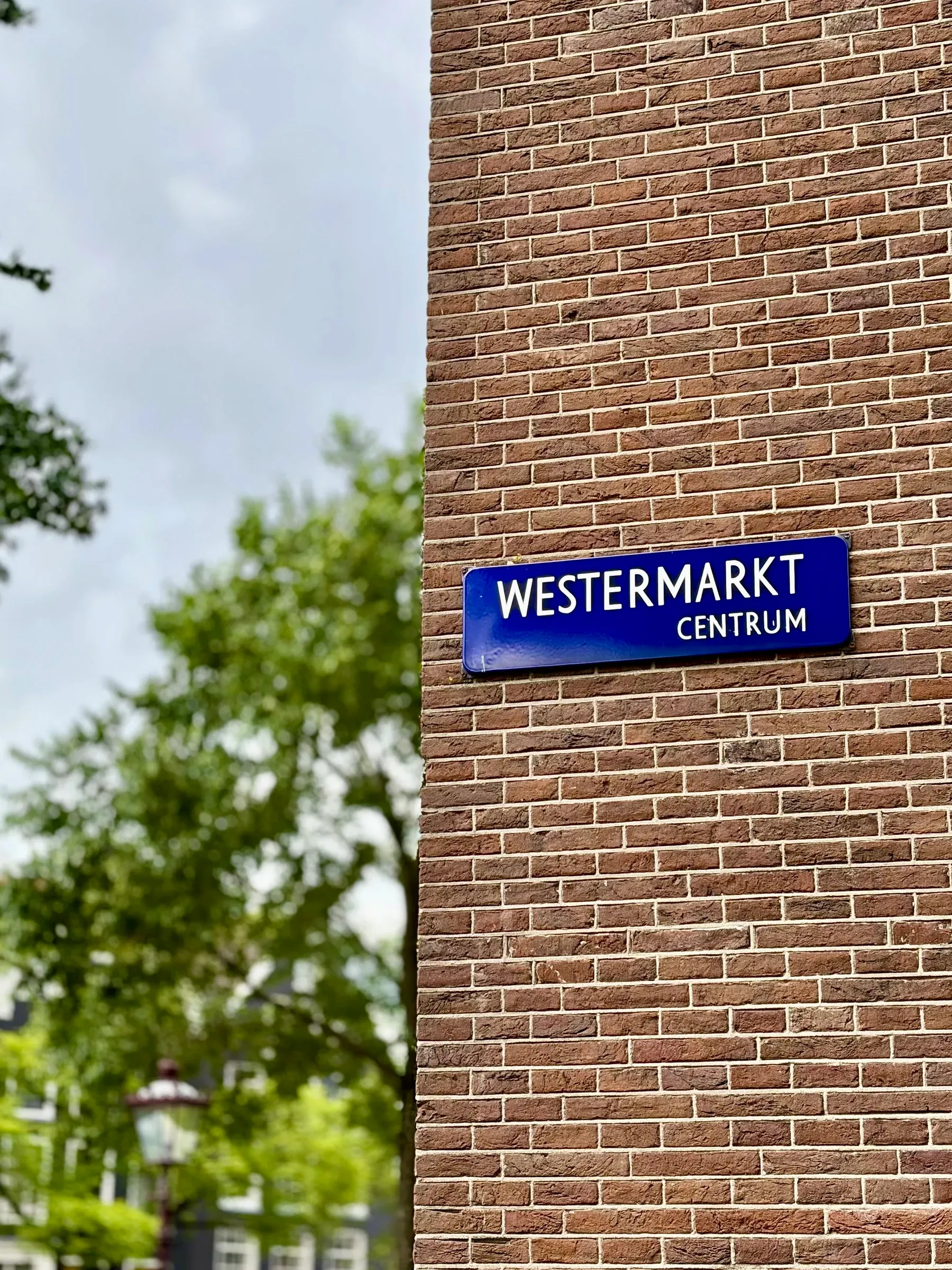
The Jordaan is beautiful now in an almost effortless way, but that polish sits on a much rougher history. The neighbourhood grew behind the wealthy canal belt during Amsterdam's great expansion, first for craftsmen and small trades, then for poorer families packed into houses, back courts, and narrow passages where light and sanitation were scarce. In the twentieth century parts of it came close to demolition before residents and preservation campaigns shifted the future toward repair rather than replacement. Walking here today, that past is mostly quiet, but it changes the way the pretty streets read. The cafés, hofjes, brick facades, and angled lanes are not just atmosphere; they are the surviving bones of a neighbourhood that had to fight to remain itself.
Westertoren
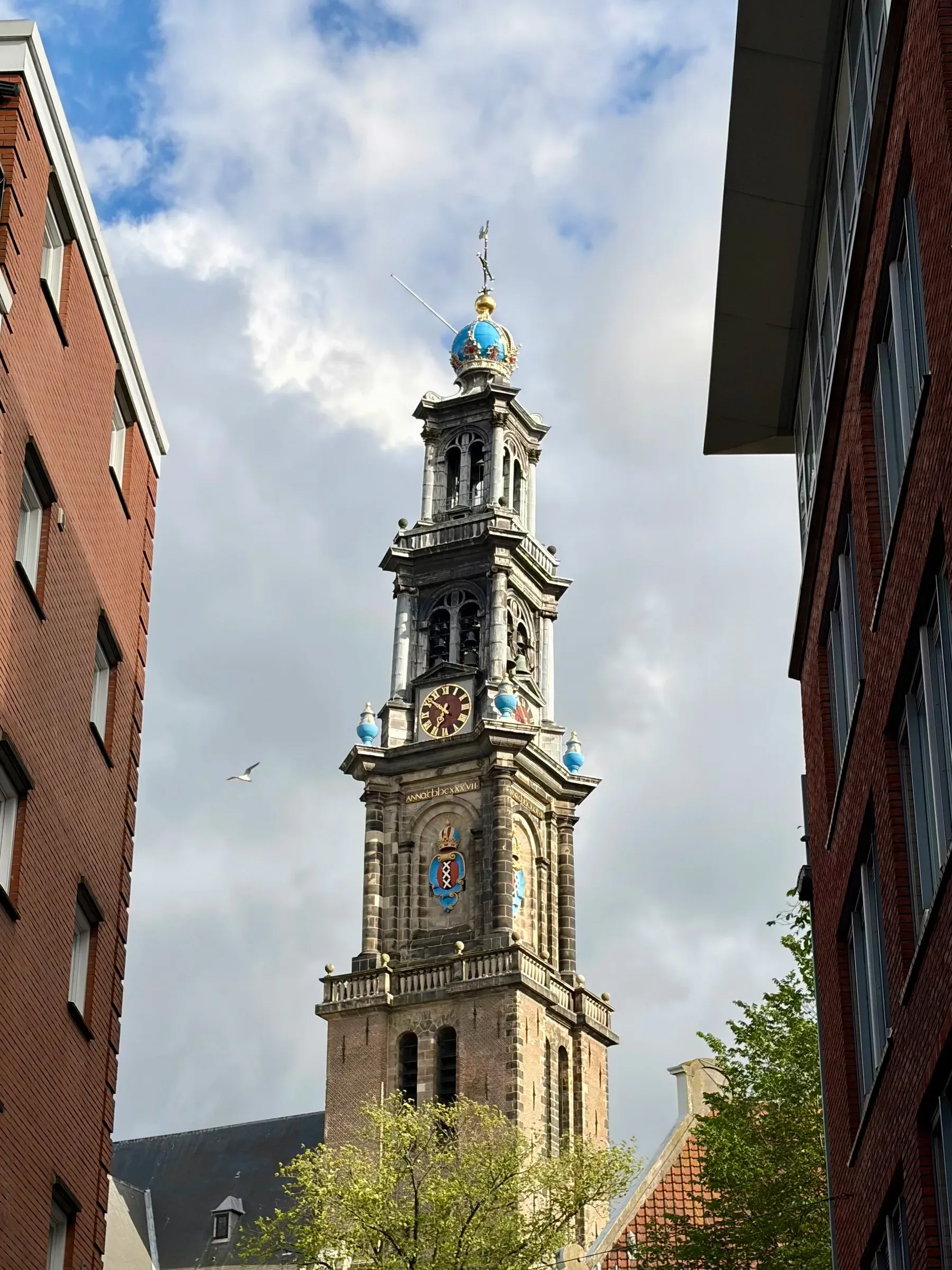
The Westertoren is one of Amsterdam's most useful landmarks because it rarely announces itself all at once. It appears in fragments: a crown above roofs, a pale vertical between brick streets, a tower caught at the end of a canal view. The Westerkerk opened in 1631, one of the major Protestant churches built for the expanding city, and the tower was completed a few years later on ground that made height an engineering problem as much as an aesthetic one. From the Jordaan it works less like a monument and more like a local compass. You lose it for a few corners, then it returns, reminding you exactly where the western centre is.
Vlag met schooltas
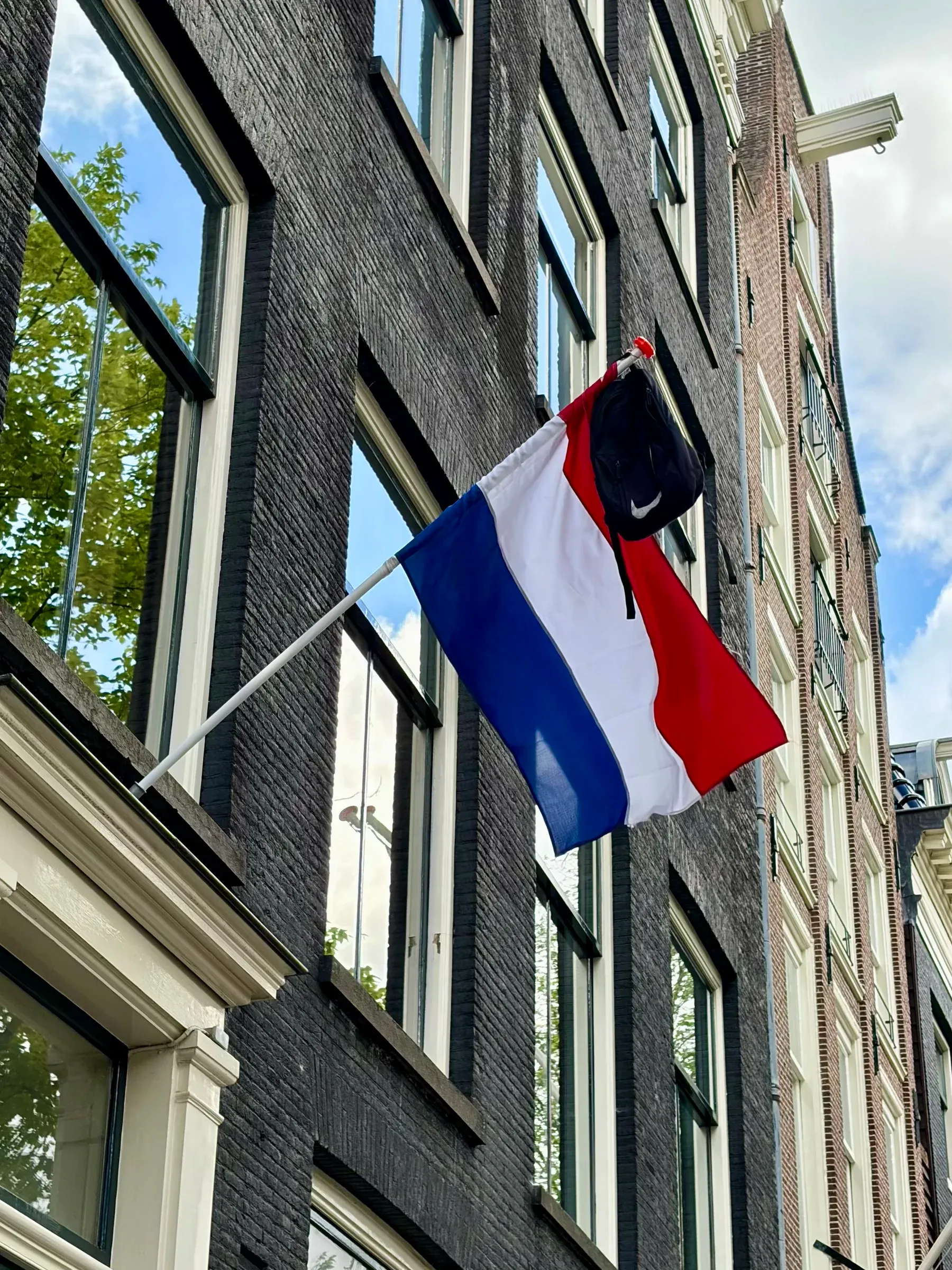
In the Netherlands, a Dutch flag with a school bag tied to the pole means someone in that house has passed their final secondary-school exams. It looks old, almost ceremonial, but the custom is relatively recent: graduation flags became common after the Second World War, and newspaper traces place the school bag on the flagpole from the late 1950s onward, before the habit spread widely in the 1960s. The logic is wonderfully direct. The flag tells the neighbourhood that something has happened; the bag explains what. School is finished, the books can rest, and the family lets the street share the relief. There are official rules for government flagging, but for private homes the Dutch flag is mostly guided by custom, which makes this small domestic announcement feel even more human.

Rozengracht
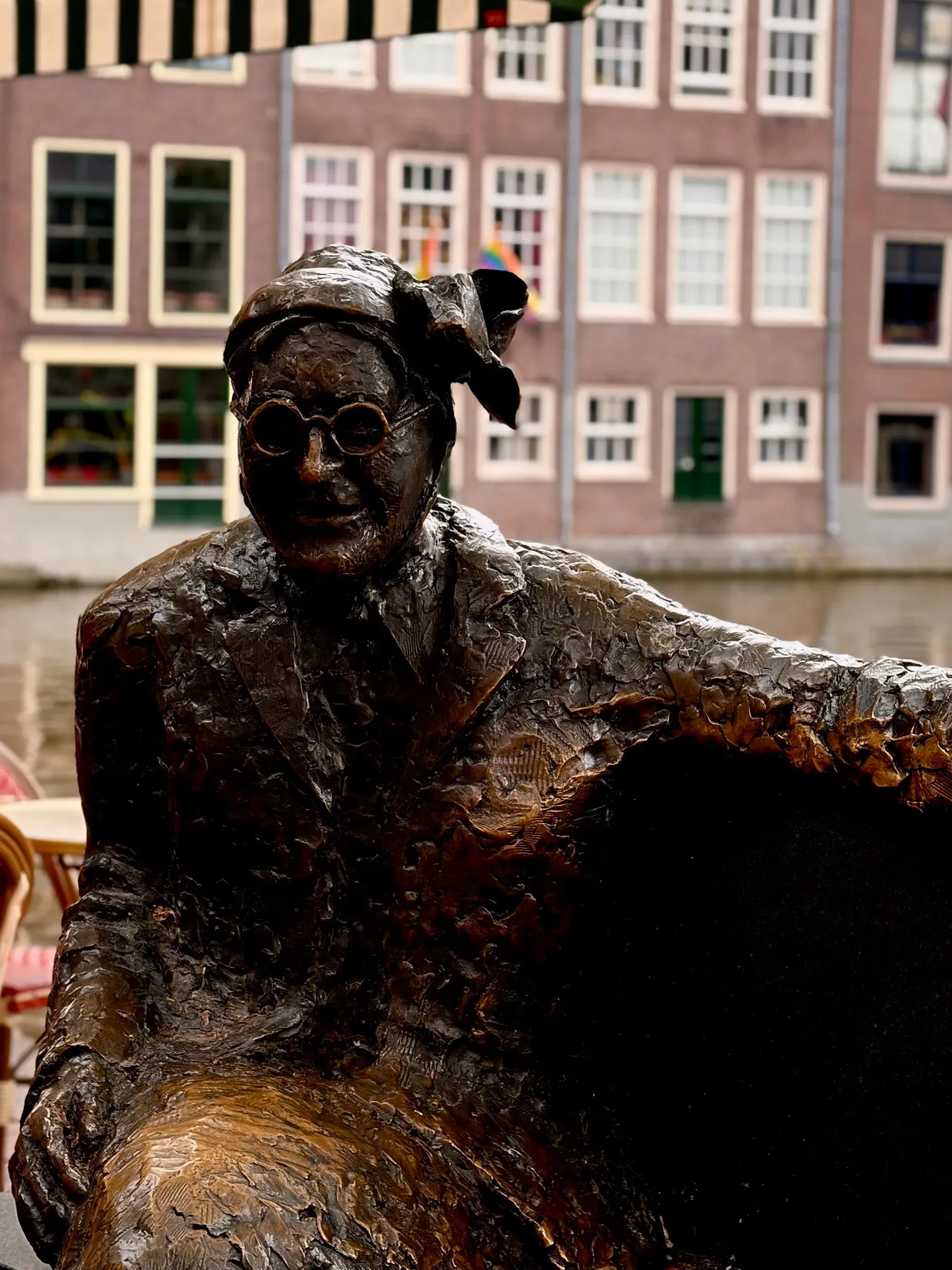
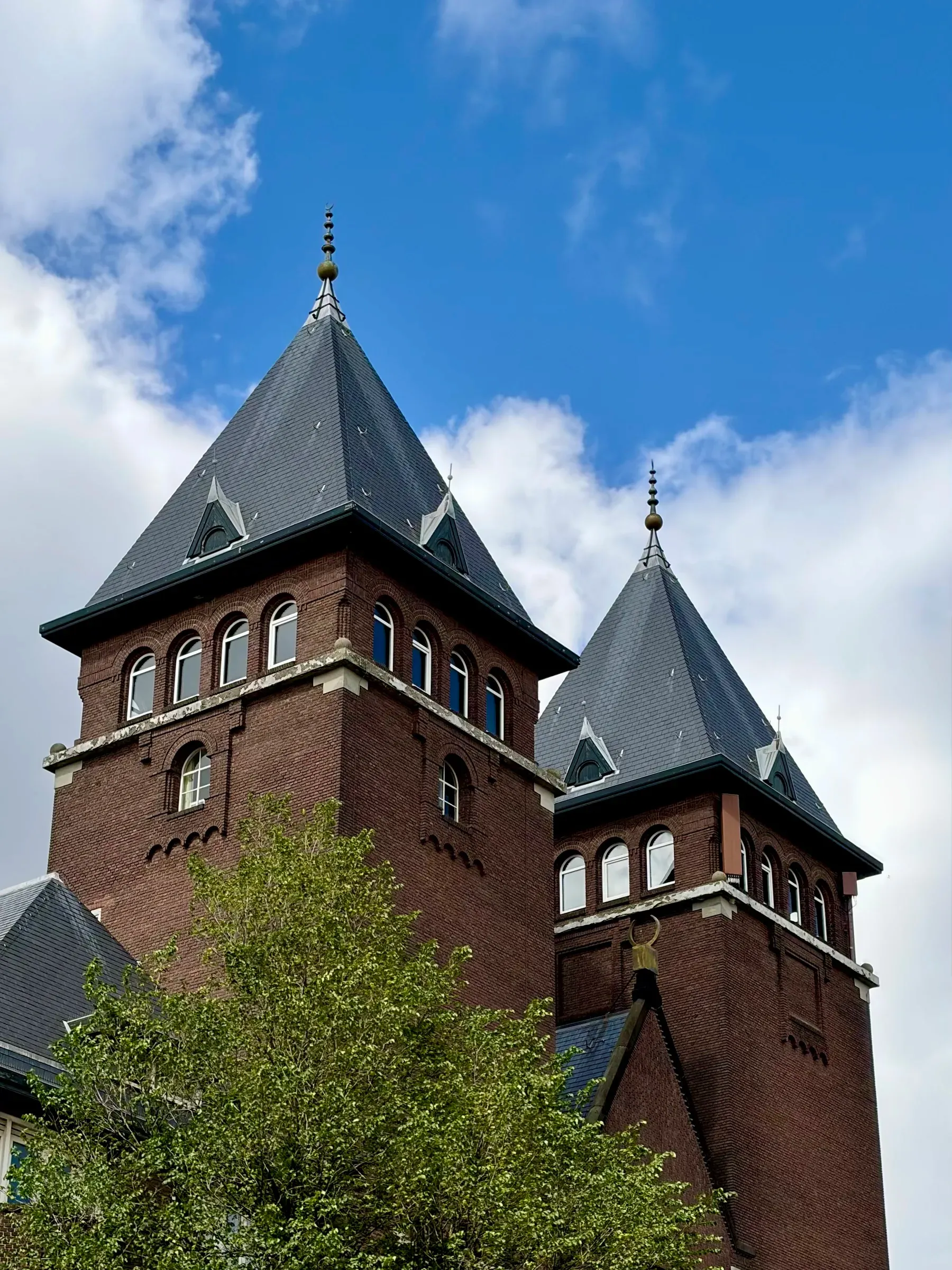
Rozengracht is one of those Amsterdam streets where several histories share the same facade line. It began as a canal during the seventeenth-century expansion, was filled in during the nineteenth century, and later became a busy westward route rather than a quiet waterway. The Fatih Moskee adds another layer: built in the late 1920s as the Catholic church De Zaaier, closed in the 1970s, briefly reused commercially, then taken over by the Turkish community in the early 1980s. Nearby details speak in a lighter register. A rainbow flag, a memorial, a Dutch tricolour with a school bag for a graduating student: small public signs that make the street feel less like architecture and more like social weather.
Café 't Smalle
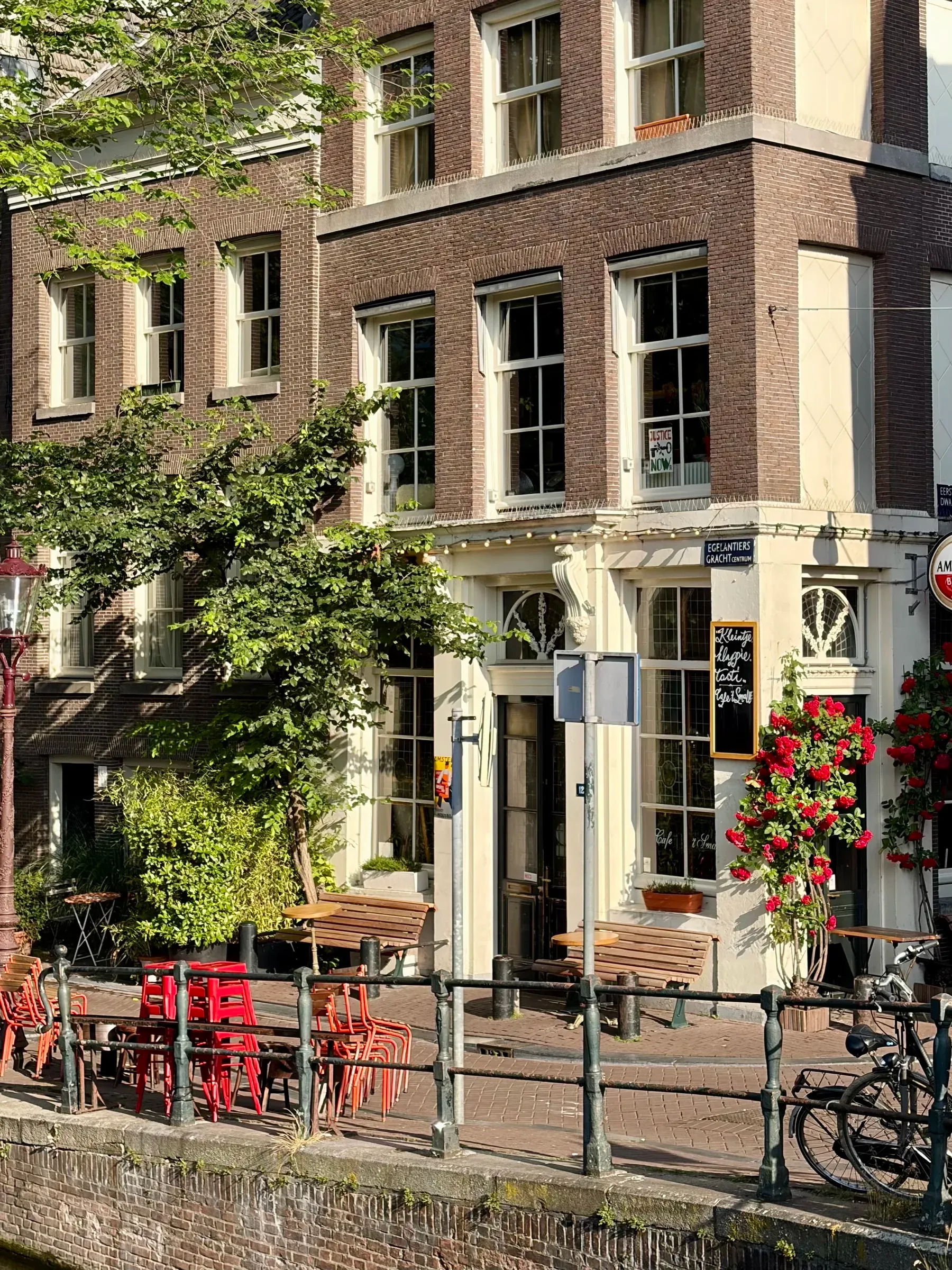
Café 't Smalle translates simply as 'the narrow', which is already a good Amsterdam description. The building has been associated with drinking since Pieter Hoppe opened a liqueur distillery here around 1780, and the room still has the ingredients of a proper bruin café: dark wood, close tables, low light, a bar that feels older than the afternoon outside. Brown cafés are sometimes described as public living rooms, and that is exactly what makes them photographable. They are not spectacular spaces; they are places where the city lowers its voice. On a warm June day, the canal-side terrace does the rest.
Hans Egstorf
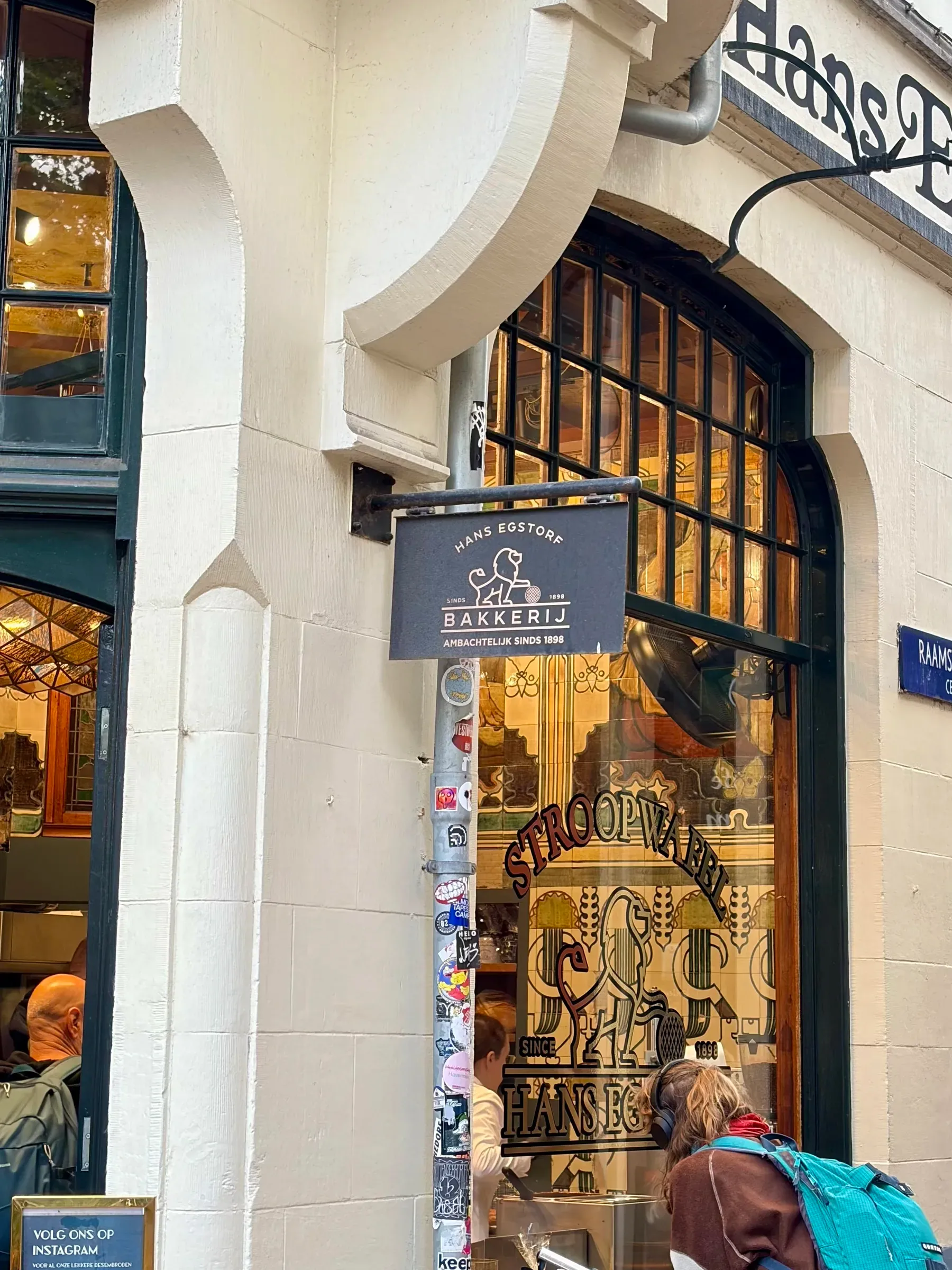
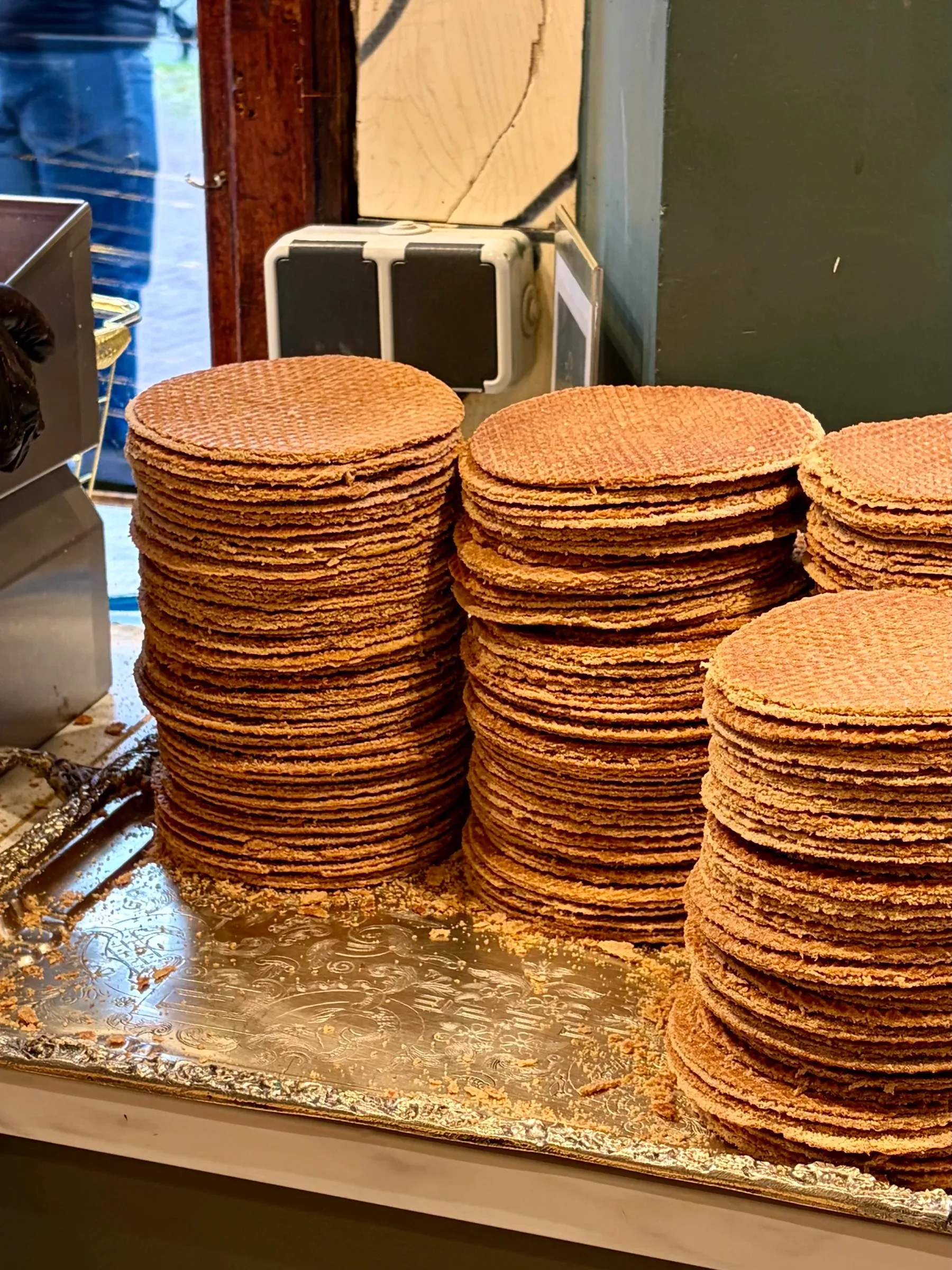
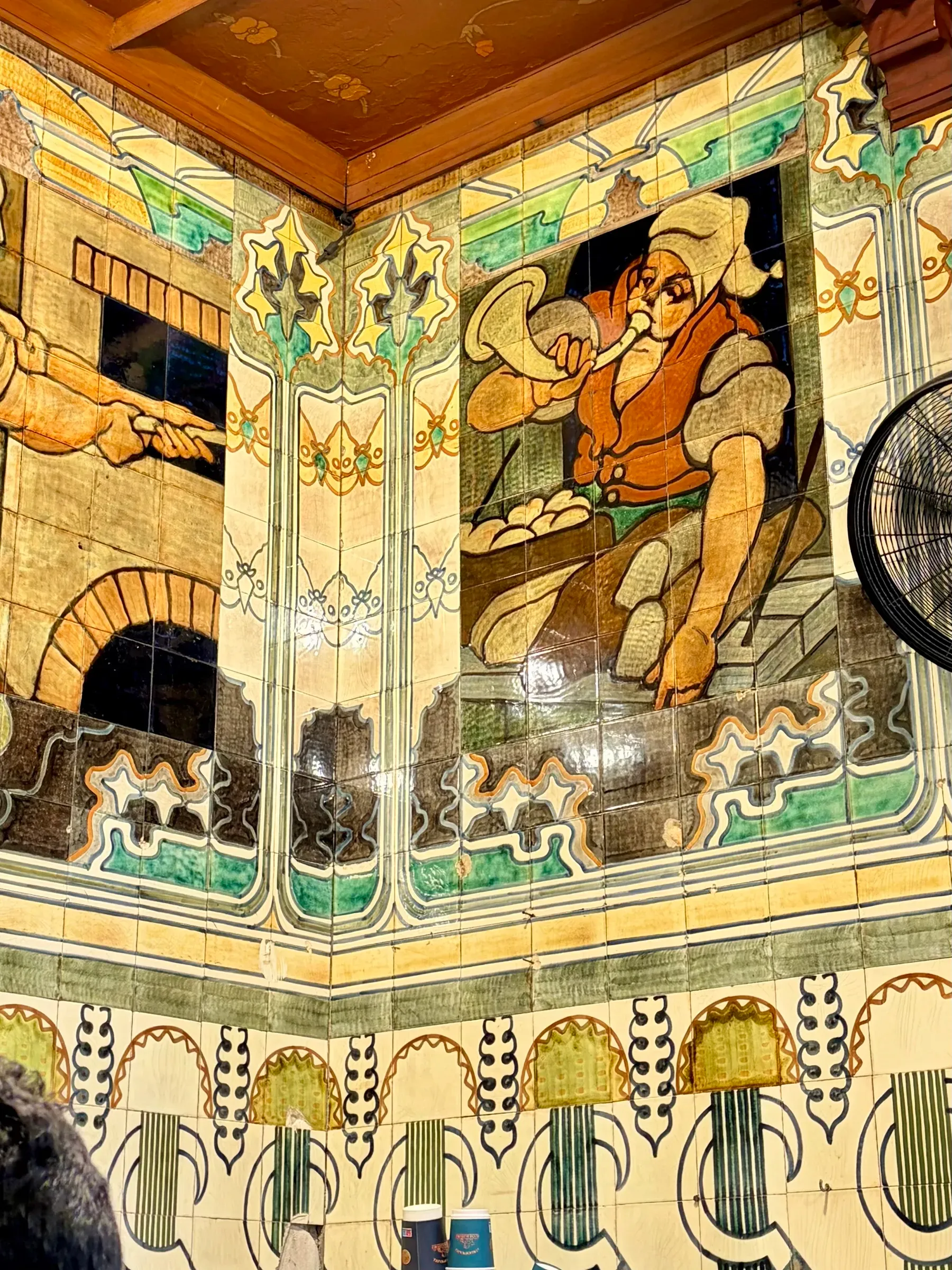
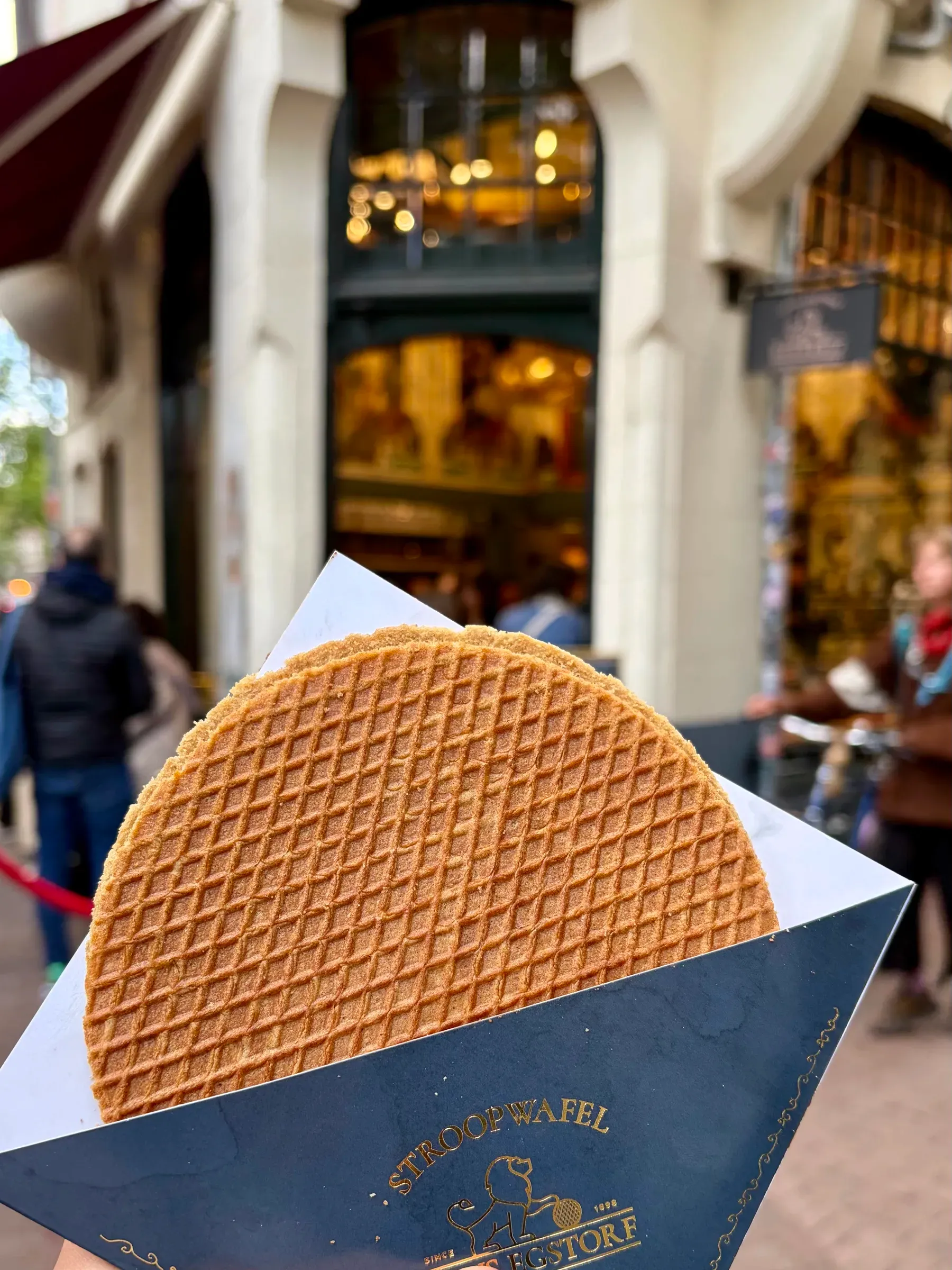
Hans Egstorf has the kind of shopfront that slows a walk without asking for attention. The bakery traces its Amsterdam story back to 1898, in an Art Nouveau building on Spuistraat designed for craft and display, and the best detail is still practical: heat, dough, caramel, glass, and people waiting for something warm. Stroopwafels are easy to treat as a souvenir until you catch them fresh from the iron, when the syrup is still soft and the whole thing feels less like a product than a timing problem solved perfectly. Amsterdam's streets keep many of their best details at shopfront height; this one happens to smell like sugar.
Oud-West
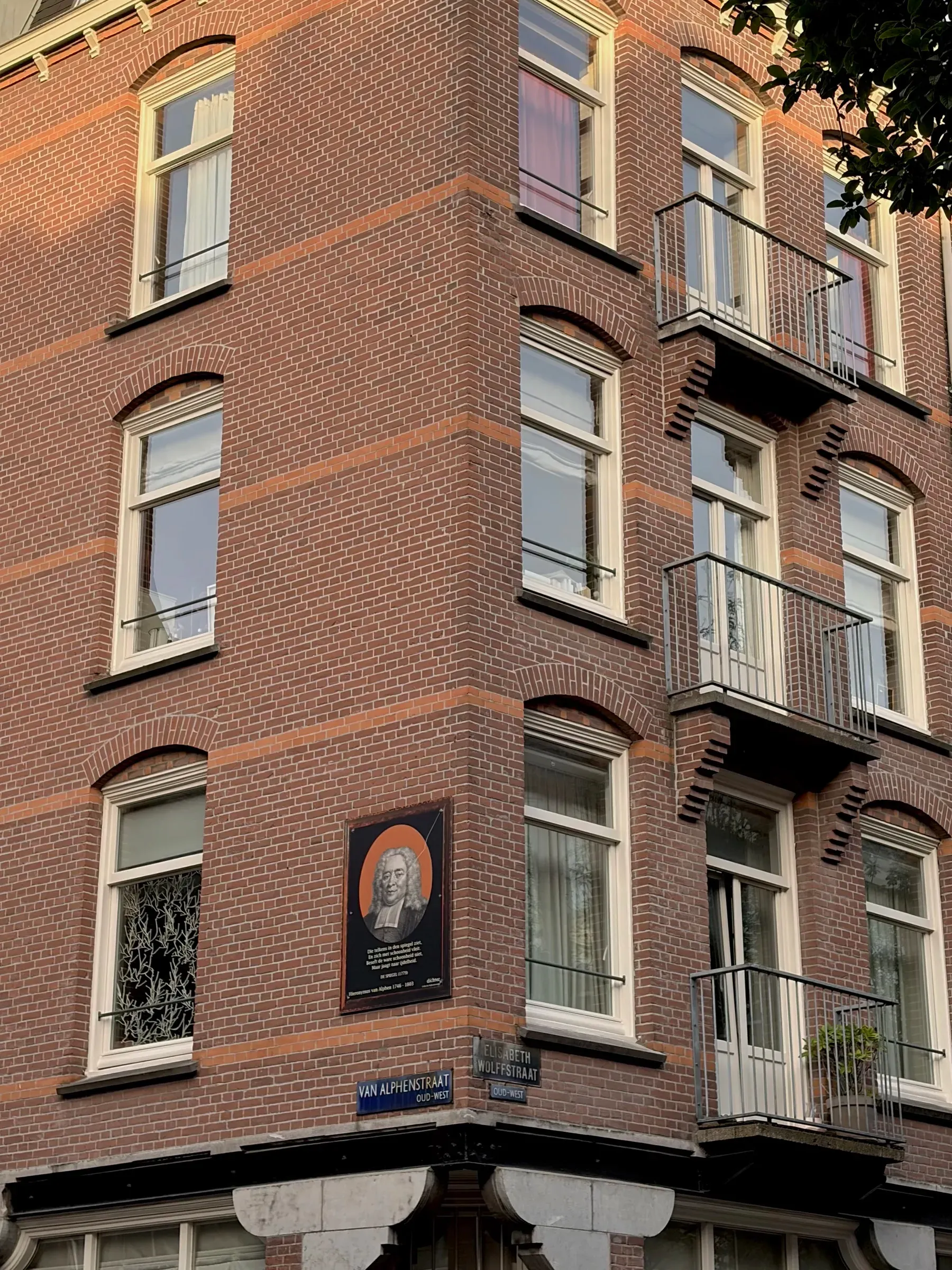
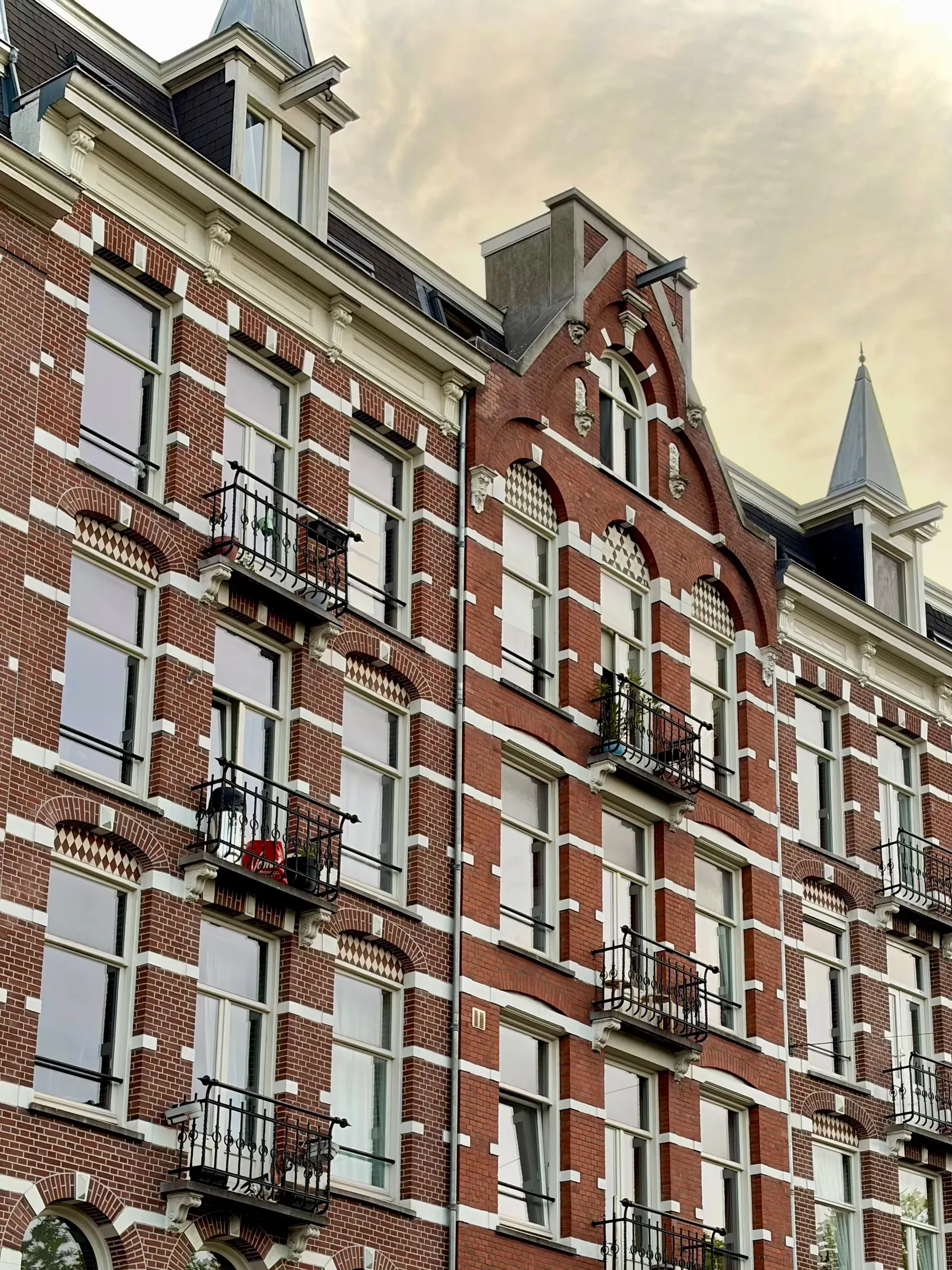
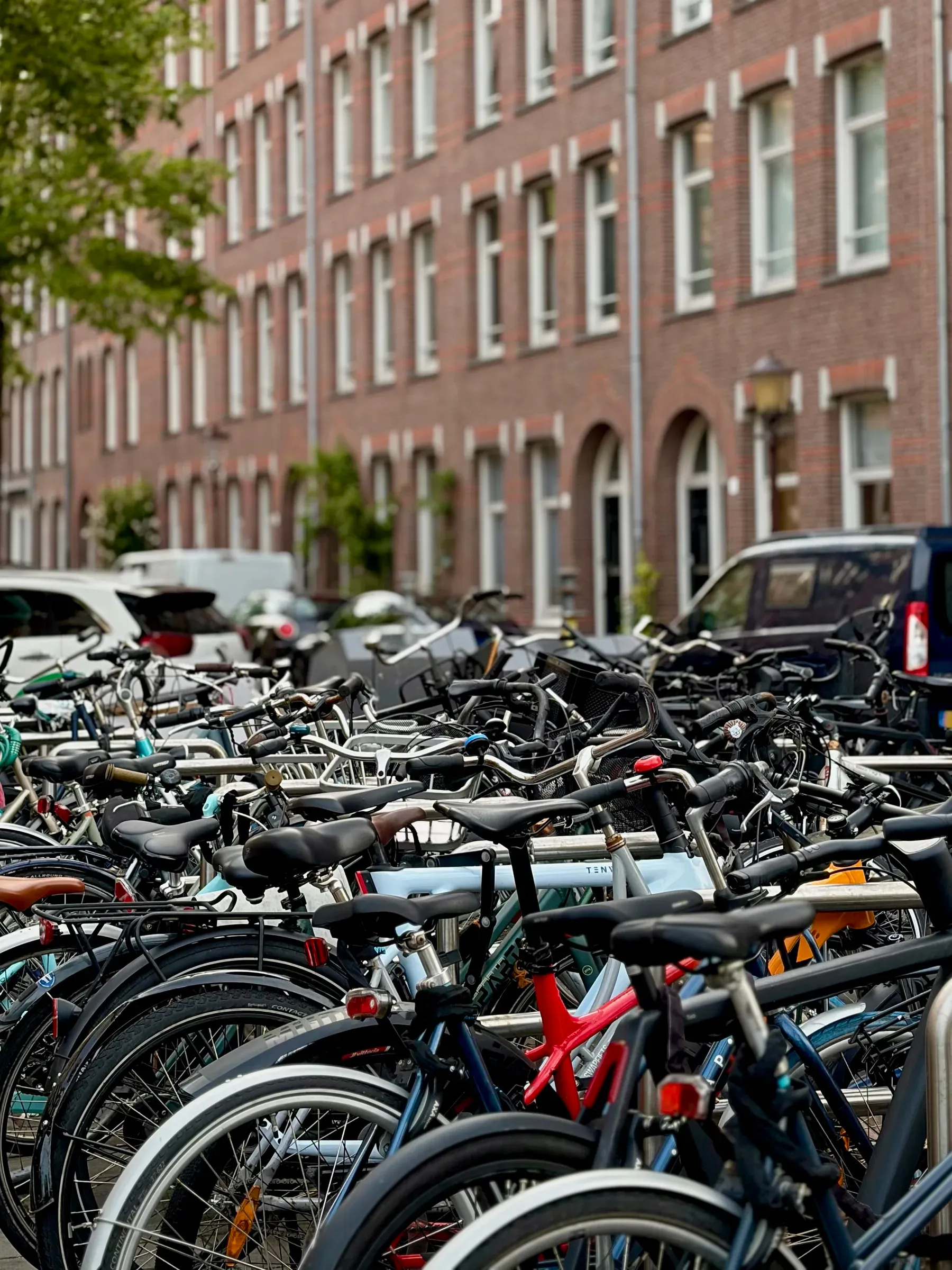
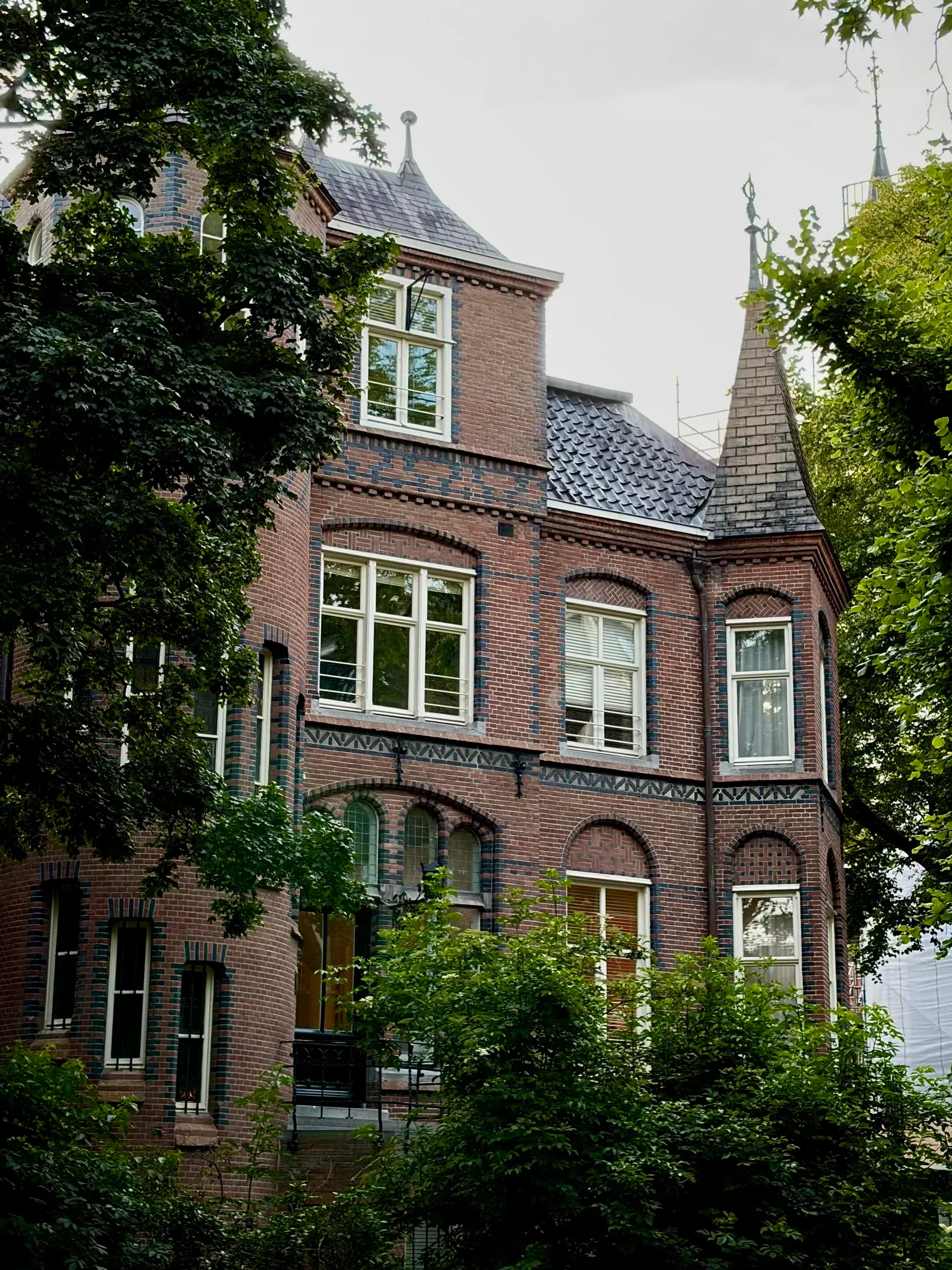
Oud-West begins to change the temperature of the city. The centre is still close, but the streets feel more residential, more practical, less staged for visitors. Much of the district was built between the late nineteenth century and 1900 as Amsterdam expanded beyond the old centre; the area carried working-class density, tram routes, market streets, and later waves of renewal. Around Kinkerstraat, Ten Katemarkt, and the routes toward Vondelpark, old street patterns still do a lot of the work. The result is not hidden Amsterdam exactly, but ordinary Amsterdam: errands, brick apartment fronts, shop awnings, cyclists cutting across junctions, and evening light landing on buildings that were never trying to become landmarks.
Green Pauses
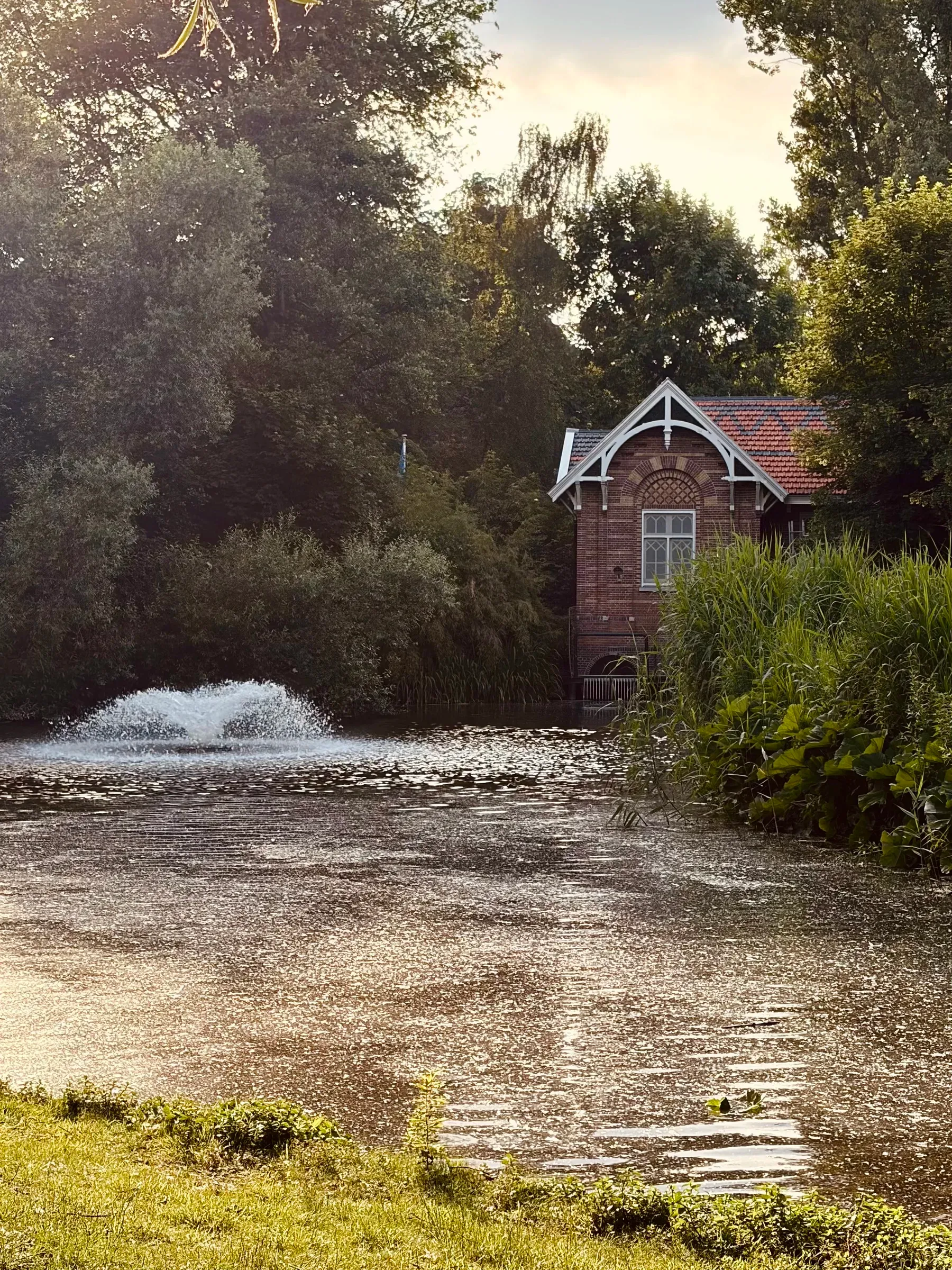
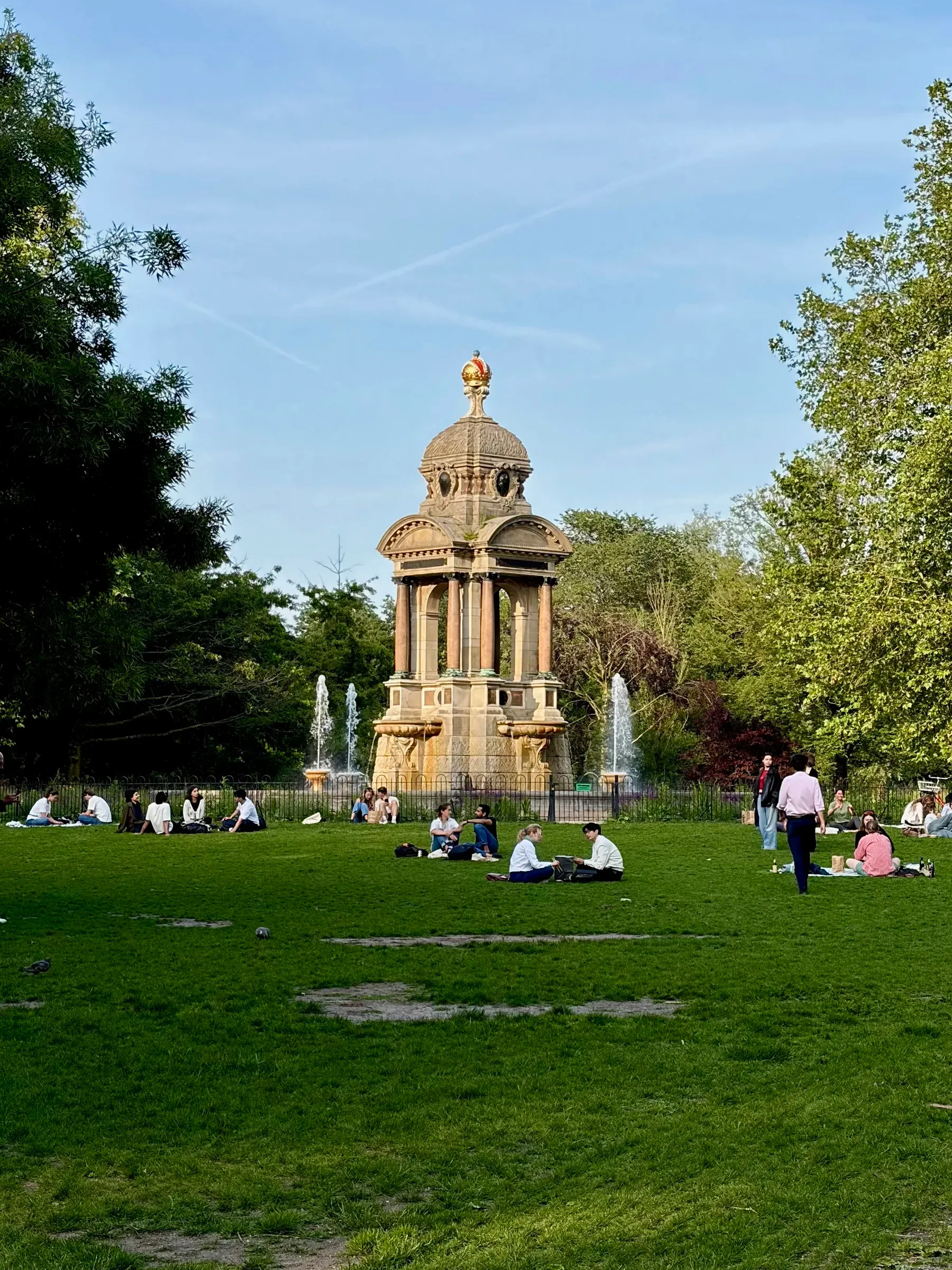
Amsterdam's parks are not escapes from the city so much as pressure valves inside it. Vondelpark is the famous one, opened in 1865 and now folded into everyday Amsterdam life: runners, dogs, tourists, students, bikes, grass, and summer theatre. Sarphatipark is smaller and more intimate, a green pause in De Pijp named for Samuel Sarphati, the nineteenth-century doctor and philanthropist. It even sits lower than the streets around it, kept dry by a pumping station dating from 1884. That small technical fact makes the park feel very Amsterdam: calm on the surface, engineered underneath, and still useful because people simply need somewhere to sit in the shade.
Museumplein
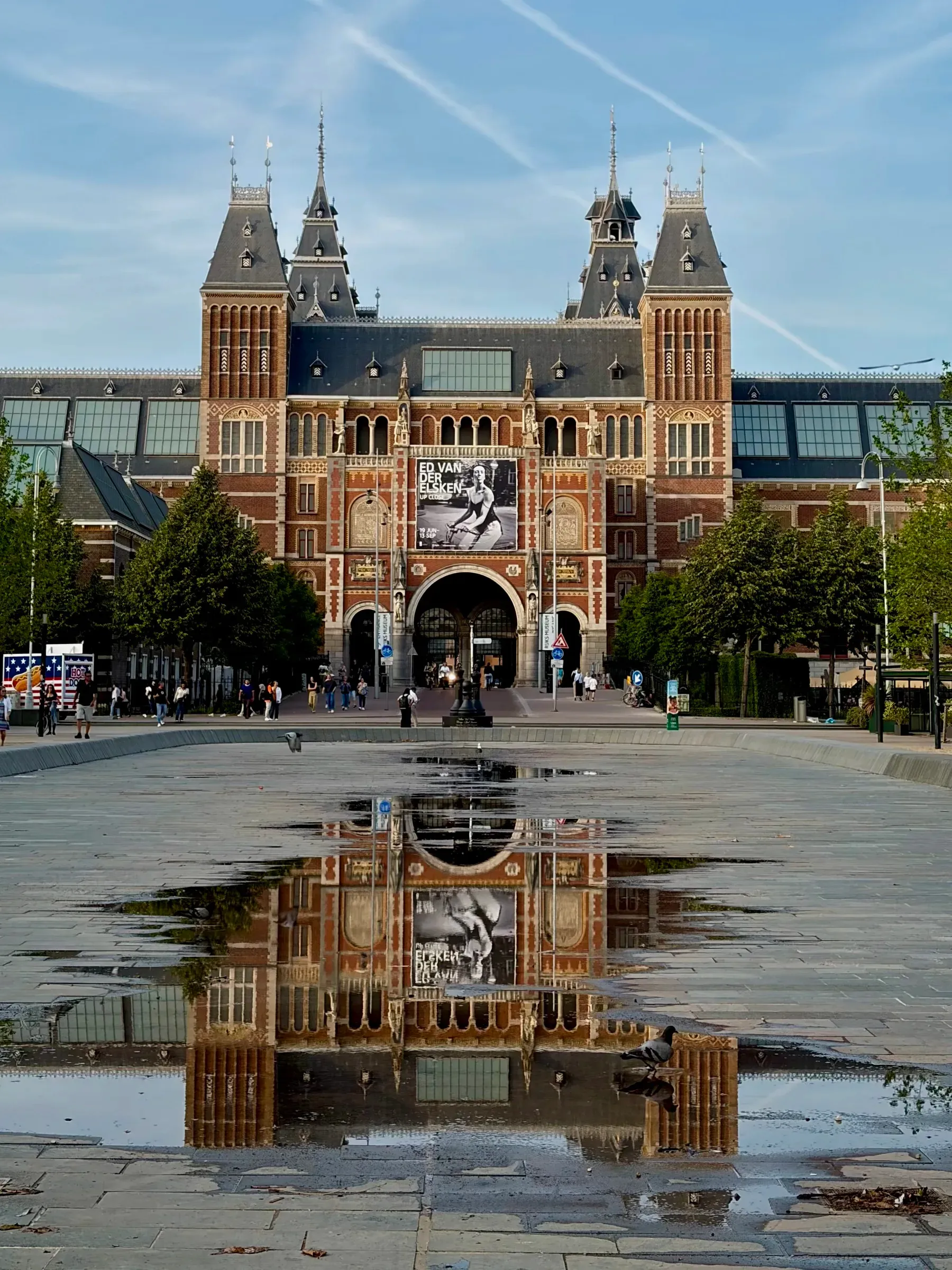
Museumplein gathers a different kind of Amsterdam performance: queues, lawns, museum facades, bike lanes, and people deciding how much art history one day can hold. The Rijksmuseum tells eight centuries of Dutch art and history inside a building that already feels like a national statement before you enter it. Somewhere inside is Rembrandt's Night Watch, a painting so famous that its own title is a later invention and its conservation has become a public research project. Nearby, the Van Gogh Museum pulls the square toward a more personal mythology: letters, colour, self-portraits, repetition, and the short distance between experiment and recognition. Outside, none of this feels solemn for long. People sit on the grass, cross the square, check tickets, and let the museums become part of the weather.